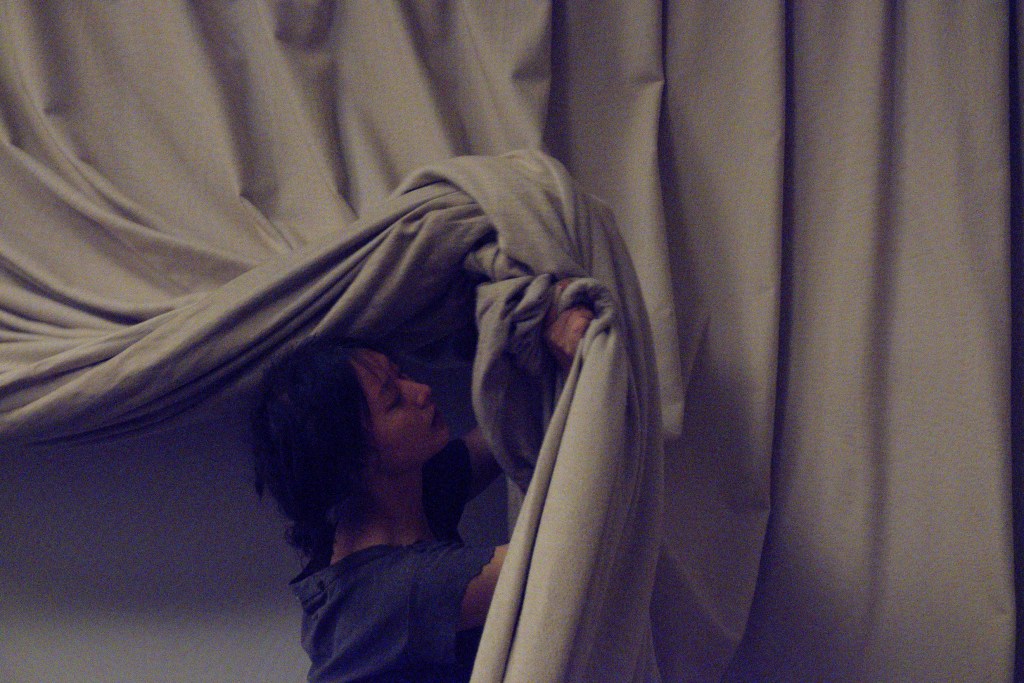
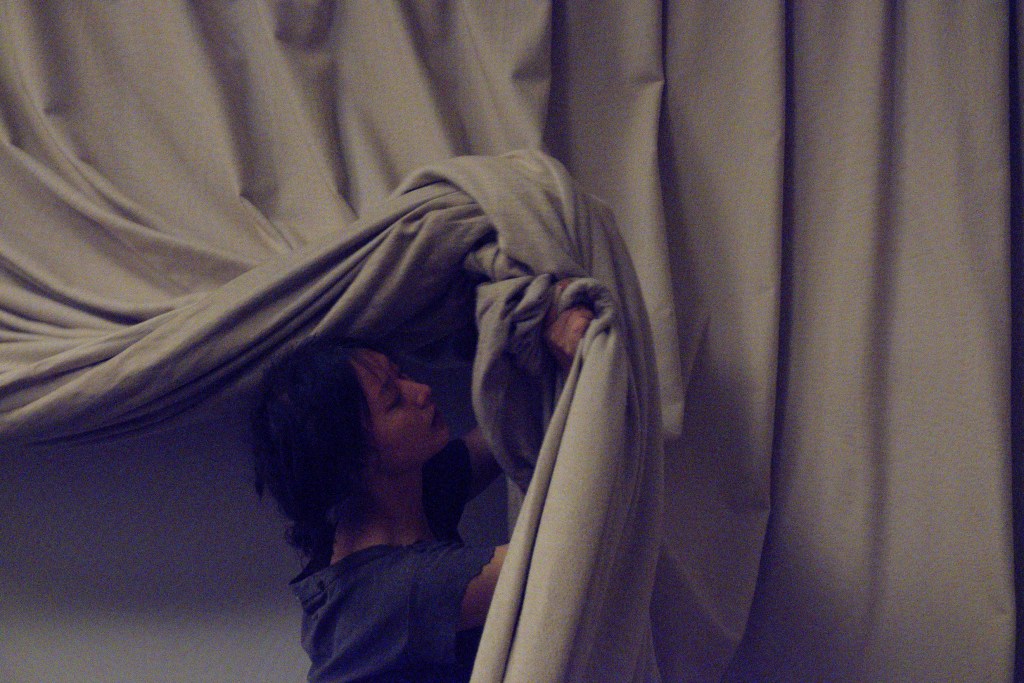
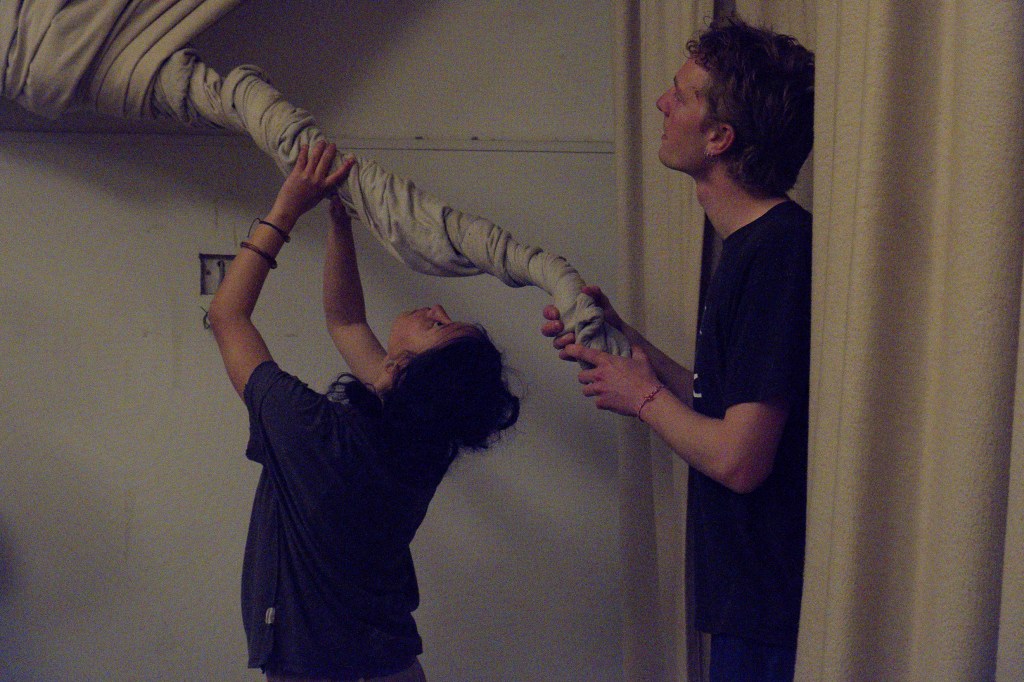
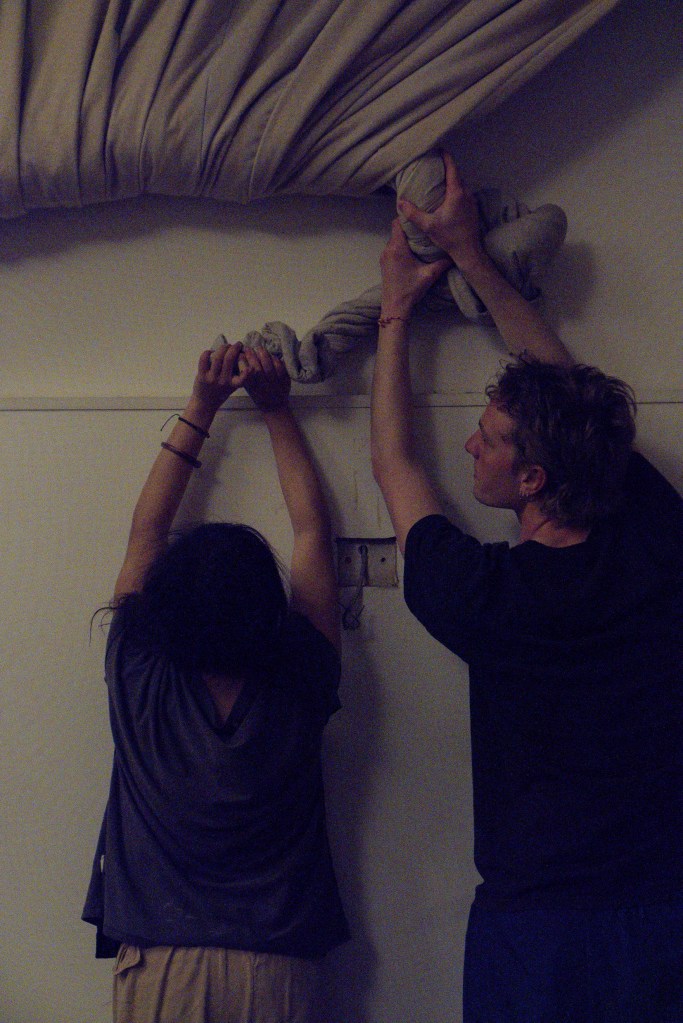
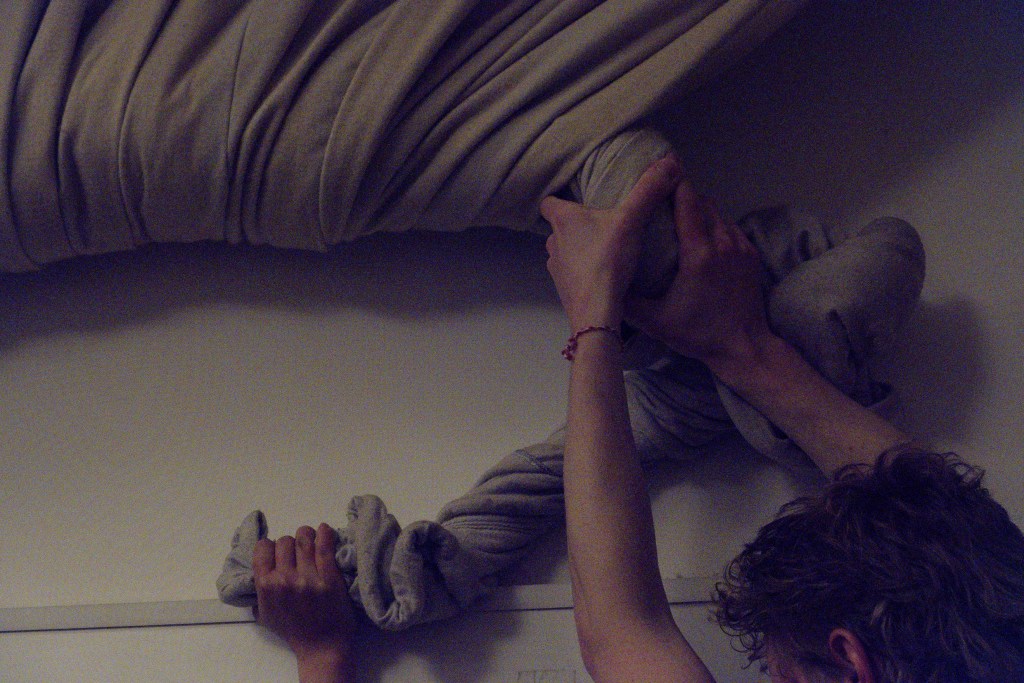
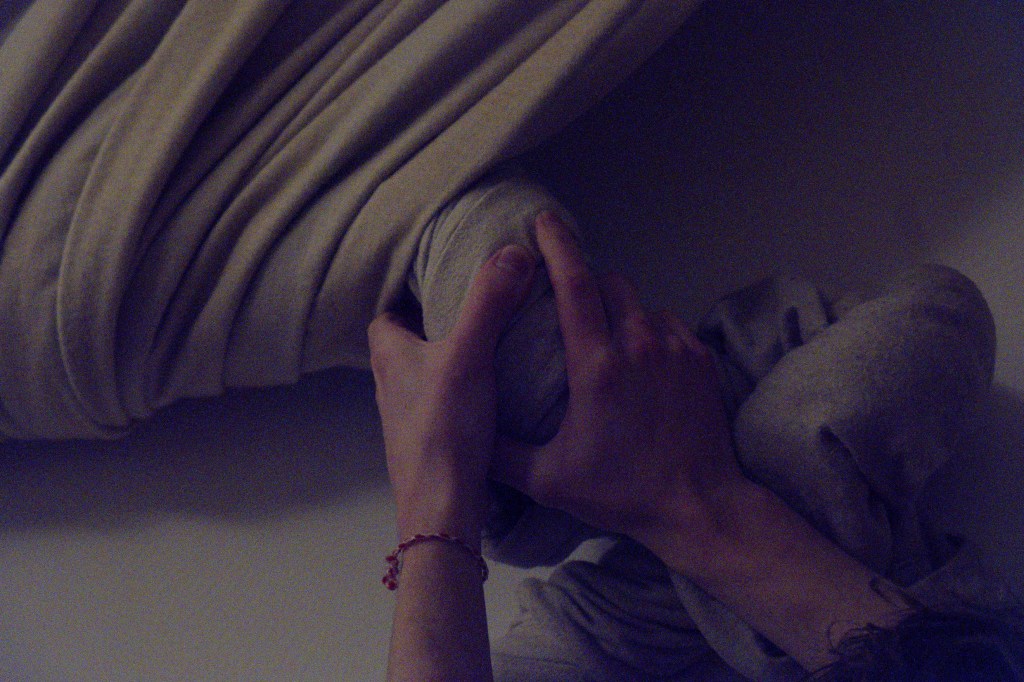
credits : Marine Pistien
Ir/regular workshops and training sessions of Real Time Composition (Composition en Temps Réel, CTR)
“Real Time Composition is a theoretical and practical tool that studies, problematizes and systematizes the experience of collective decision, using the fields of improvisation and composition in contemporary dance as a privileged territory of experimentation.” João Fiadeiro
“The ‘object of study’ of Real Time Composition is the interval that emerges when linear time is interrupted and the sense of continuity is suspended (via accident, incident or ‘just because’). The space that opens up as a result of this interruption is where Real Time Composition research takes place. Within this space, time has that rare quality of being simultaneously ‘no more’ and ‘not yet’. Within this space, time is not linear (or even circular), but ‘twisted’ (like the topological surface of the ‘Möbius Tape’), governed by laws that do not respect the conventional notions of before and after, inside and outside or far and near.” João Fiadeiro
“Real Time Composition is a tool that puts into practice a radical decentring to approach what goes beyond human experience.” Emma Bigé
Since 2022 I have been teaching and facilitating the practice in Le Chant du Voisin, Marseille ; Euphorum, Meyrargues ; L’Involontaire and Cie La Vrille, Saint-Jean-en-Royans ; IMP in Pôle 164, Marseille ; La Chaleurumaine, Mas Raynal ; Hélix, Lyon.
Next steps : january, 14th-18th, Composition en Temps Réel – laboratory (L’Ouvraison, Recoubeau-Jeansac, Drôme)
+ april, 10th, 11th, 12th, Composition en Temps Réel – workshop (La Chaleurumaine, Cornus, Aveyron)
What are we talking about?
CTR is a form of research and practice developed over the last twenty years by artist, researcher, dancer and choreographer João Fiadeiro (Portugal). It is a tool for exploring modes of dramaturgical writing and has now become a point of convergence between the arts, science and everyday life.
CTR is a game in its collective form, with precise rules, constraints and principles to be accepted and whose limits can be explored. CTR is a speculative gamble, a ‘What if?’ What if a composition without an author were possible? In this playful device, we are interested in the process, in how to collaborate, how to bring out commons, how to live together in a situation, in an event. What is at work in CTR is the relationship; agency transcends the individual, it goes beyond.
By practising CTR, we develop attentional and decision-making virtuosity, we learn to unwind our habits, to not react (but respond), to ‘become thing’, to transform and grieve, to disrupt with our presence and to be aware of it and take care of our emotional weavings again and again. What is asked of us is to be increasingly sensitive to the movements of our affects and intuitions, to allow ourselves to be moved and touched, and to gradually become capable of translating and expressing to others what affects us, what is important in a situation or a game, what matters.
How?
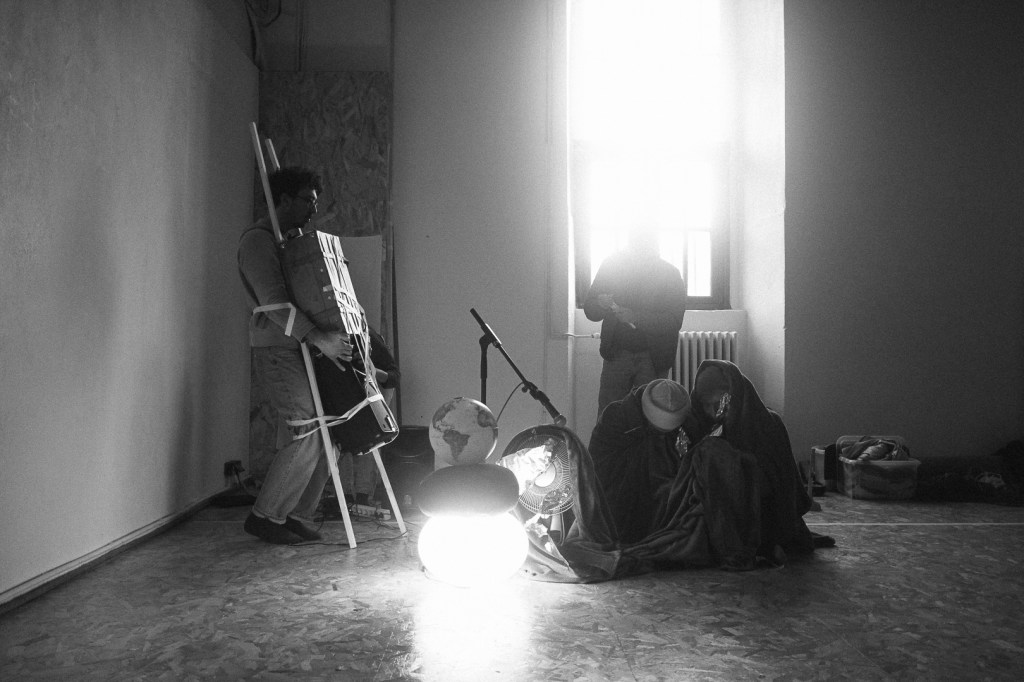
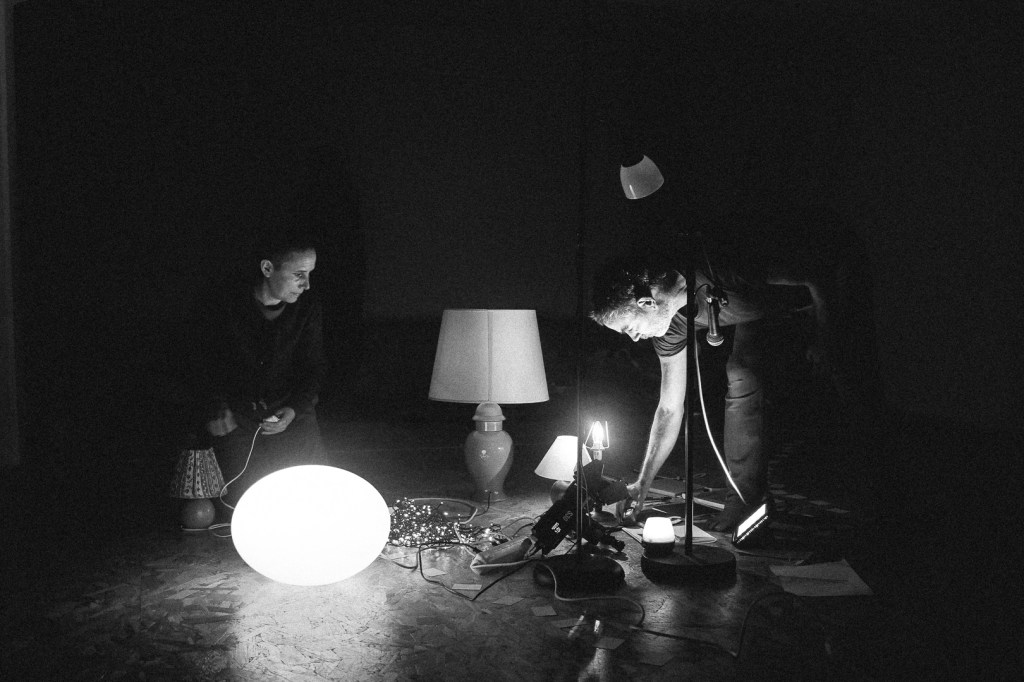
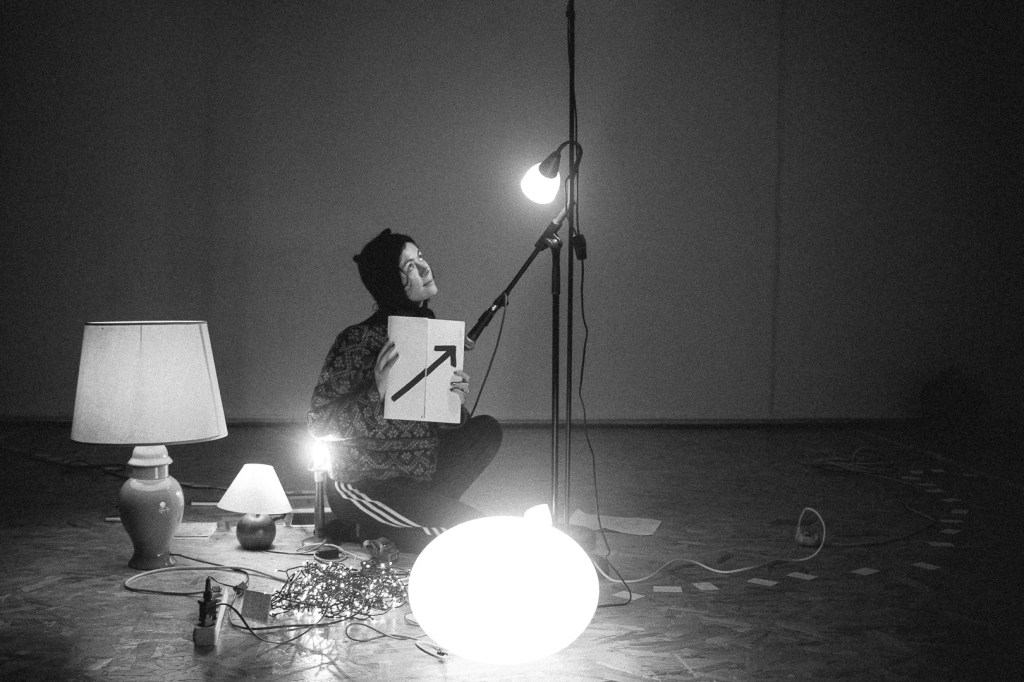
Repetition is one strategy for attempting to create a shared understanding of what is happening and to compose together with clarity. A task, action or operation is repeated until exhaustion. Several devices have been created to practise this. There are ways of practising CTR that involve the body in space and others that involve objects and materials on a board or a table. In all cases, participants work with rules, principles and vocabulary. In all cases, no special skills are required to play.
I have been working to transmit CTR since my experience as a player in 2019, combining tools found and created in collectives and/or gathered from friends who are choreographers, attentionographers, performers, improvisers, experimental contemporary dancers, and queer, trans*feminist, and compost-humanist philosophers. I am forging a path between what I have learned about CTR from João Fiadeiro over the past six years—work that continues as I accompany him in the CTR_matrix programme in October 2025 in Lisbon—and what I discovered about Fernanda Eugénio’s work with Modus Operandi AND, which I explored further in 2025 when I met her.
In the training courses and workshops I offer to facilitate this practice, my role in teaching involves a number of different gestures and actions. These include: (not) talking about roles, asymmetries, authors, authority, diagonals, (not) playing, creating conditions for play and stopping it midway, reading texts aloud in choral reading, sharing consent protocols, placing hands on shoulders (to help “clarify” what is happening), suggesting technical elements to reveal what is happening and find a common vocabulary, (not) taking pictures, adding or removing elements of scenography to make room (putting chairs in place, sweeping up crumbs, picking up clothes that are lying around), showing videos or diagrams to offer examples of what may have happened before and elsewhere to open up our possibilities, and finally facilitating feedback. We always stop at least twice. Practical exercises always alternate with theoretical discussions. We pause the game to better reveal its mechanisms, discover the anatomy of our decisions so that we can better tune in again, and play together in a state of not knowing.
Who is it for?
These sessions, which focus on sharing knowledge and facilitating practice, are aimed both at artists who want to immerse themselves in a new theoretical and practical tool, and at anyone who is curious to learn how to notice and translate connections between things – in other words, anyone interested in ways of relating to one another and thinking together about how to inhabit spaces collectively.
When and where?
Chloé’s next step : collaborating with João Fiadeiro for the month of october in the CTR_matrix advanced course in research and experimentation. More info : https://www.forumdanca.pt/en/ctr_matrix/
The next sessions and workshops offered by Chloé will be announced here, in our newsletter, and on the calender page of this website. From January 2026, in Marseille, Larzac, Drôme, …
January, 14th-18th, Composition en Temps Réel – laboratory (L’Ouvraison, Recoubeau-Jeansac, Drôme)
+ April, 10th, 11th, 12th, Composition en Temps Réel – workshop (La Chaleurumaine, Cornus, Aveyron)
Registration open ! look at the page calendar for more infos !
•
De quoi parlons-nous ?
La CTR est une recherche et une pratique que développe l’artiste chercheur danseur et chorégraphe João Fiadeiro (Portugal) depuis une vingtaine d’années ; outil d’exploration de modalités d’écriture dramaturgique, et aujourd’hui point de convergence entre arts, science et vie quotidienne.
La CTR est un jeu sous sa forme collective, avec des règles précises, des contraintes et des principes à accepter et dont explorer les limites. La CTR est un pari spéculatif, un What if ? Et si une composition sans auteur·ice était possible ? Dans ce dispositif ludique on s’intéresse au processus, à comment collaborer, comment faire émerger des communs, comment habiter ensemble dans une situation, dans un événement. Ce qui est au travail dans la CTR, c’est la relation, l’agentitivité dépasse l’individu, elle traverse.
En pratiquant la CTR, on entraîne une virtuosité attentionnelle, et décisionnelle, on apprend à débrayer nos habitudes, à ne-pas-réagir (mais répondre), à «devenir chose», à se transformer et deuiller, à perturber par notre présence et s’en rendre compte et prendre soin de nos tissages affectifs encore et encore. Ce qui nous est demandé est d’être de plus en plus sensible aux mouvements de nos affects, de nos intuitions, de nous laisser être ému·es, touché·s, et de progressivement être capable de traduire et manifester aux autres ce qui nous affecte, ce qui a de l’importance dans une situation, un jeu.
Comment ?
La répétition est une des stratégies pour tenter de créer une compréhension commune de ce qui est en train de se dérouler et composer ensemble avec clarté. On répète une tâche, une action, une opération jusqu’à son épuisement. Pour la pratiquer, plusieurs dispositifs ont été créés. Il y a des manières de pratiquer la CTR qui engagent le corps dans l’espace et d’autres qui engagent des objets sur une table. Dans tous les cas, les participant·es sont au travail avec des règles, des principes et un vocabulaire. Dans tous les cas, il n’y a besoin d’aucune compétences particulières pour y jouer.
Je travaille à transmettre la CTR depuis mon expérience en tant que joueur·euse depuis 2019, et y associe des outils trouvés-créés en collectifs et/ou récoltés auprès d’amies chorégraphes, attentionnographes, performers, improvisateurices, danseureuses contemporaines expérimentales et philosophes queer, trans*féministes et compost-humanistes. Je me fraye une voie entre ce qui m’a été transmis de la CTR auprès de João Fiadeiro depuis 6 ans – travail qui continue en l’accompagnant dans le programme CTR_matrix en octobre 2025 à Lisbonne – , et ce que j’ai découvert du travail de Fernanda Eugénio avec le Modus Operandi AND approfondit en 2025 en la rencontrant.
Dans les stages et ateliers que je propose pour faciliter cette pratique, mon rôle dans la transmission se décline en plusieurs gestes et actions pédagogiques. En vrac : (ne-pas) parler de rôles, d’asymétries, d’auteur·ices, d’autorité, de diagonales, (ne pas) jouer, créer des conditions pour le jeu et l’arrêter au milieu, lire à voix haute des textes en lecture chorale, partager des protocoles de consentement, poser des mains sur des épaules (pour aider à ‘clarifier’ ce qui est entrain de se jouer), proposer des éléments techniques pour révéler ce qu’il se passe et trouver un vocabulaire commun, (ne pas) prendre des images, ajouter ou enlever des éléments de scénographies pour laisser-prendre la place (mettre des chaises, balayer les miettes, ramasser les vêtements qui traînent), montrer des vidéos ou des schémas pour offrir des exemples de ce qui a pu se passer avant et ailleurs pour ouvrir nos possibles, et enfin faciliter des temps de retours et de témoignages. Nous nous arrêtons toujours au moins deux fois.
Les moments de pratiques alternent toujours avec des moments de partage théorique, nous arrêtons le jeu pour mieux en dévoiler les mécanismes, découvrir l’anatomie de nos décisions pour mieux s’accorder à nouveau, jouer ensemble dans le non-savoir.
Pour qui ?
Ces temps de transmission et de facilitation de la pratique s’adressent autant aux artistes désirant plonger dans un nouvel outil théorico-pratique qu’à toute personne curieuse de s’entraîner à voir et traduire des liens entre des choses, toute personne donc s’intéressant à des manières d’être en relation et de réfléchir ensemble à comment habiter les espaces collectivement.
Quand et où ?
Pour le mois d’octobre je serai au Portugal pour collaborer avec João Fiadeiro dans le programme CTR_matrix : https://www.forumdanca.pt/en/ctr_matrix/
Les prochaines sessions et stages que j’animerai seront annoncées ici, par newsletter, et sur la page calendrier de ce site. A partir de novembre 2025, à Marseille, dans le Larzac, dans la Drôme, à Helsinki…
Janvier, du 14 au 18, Le laboratoire de la Composition en Temps Réel (L’Ouvraison, Recoubeau-Jeansac, Drôme)
+ Avril, les 10, 11 et 12, stage de Composition en Temps Réel (La Chaleurumaine, Cornus, Aveyron)
Infos supplémentaires sur la page calendrier, les inscriptions sont ouvertes !
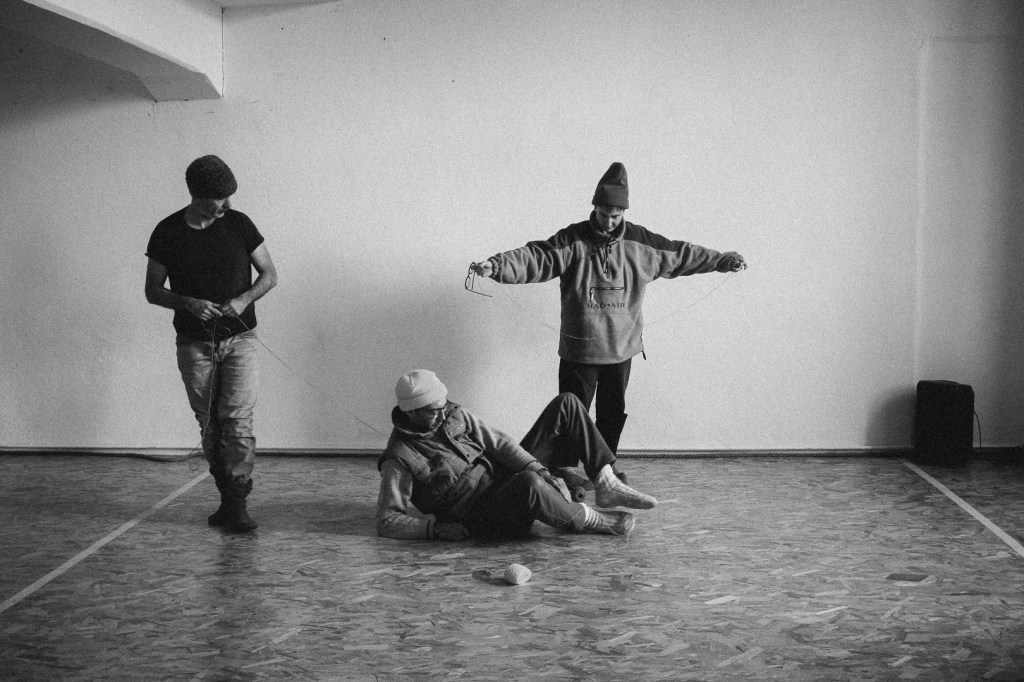
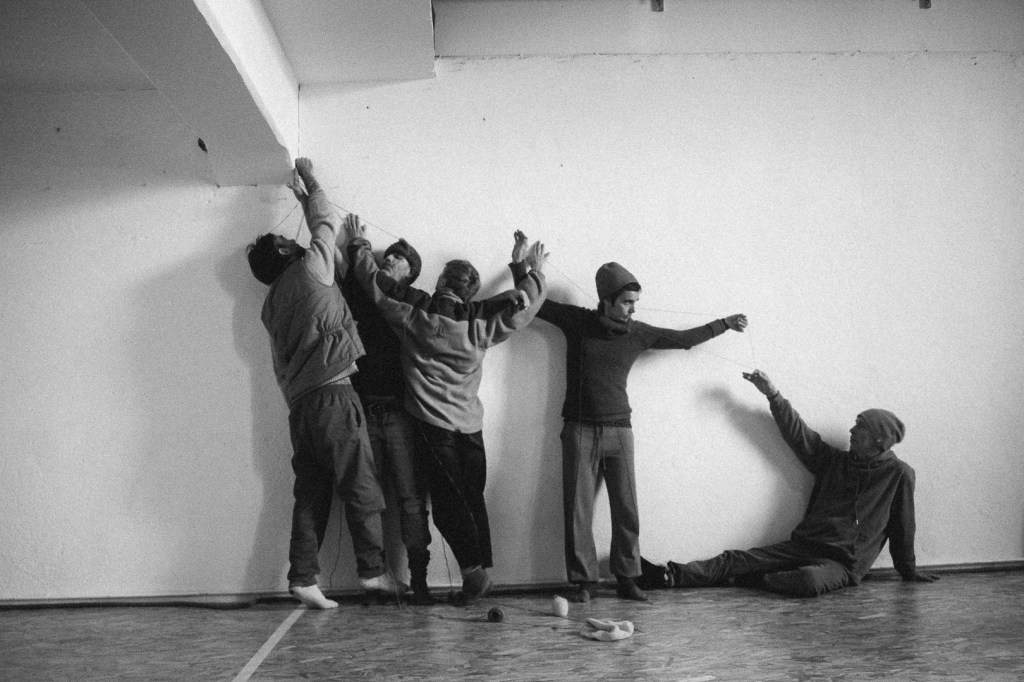
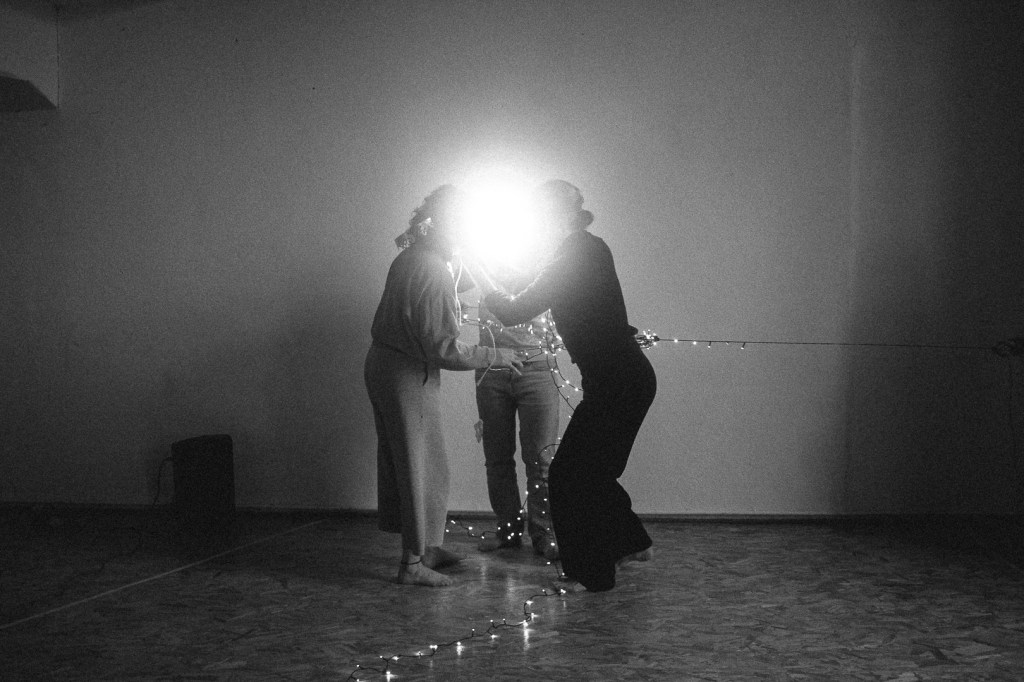
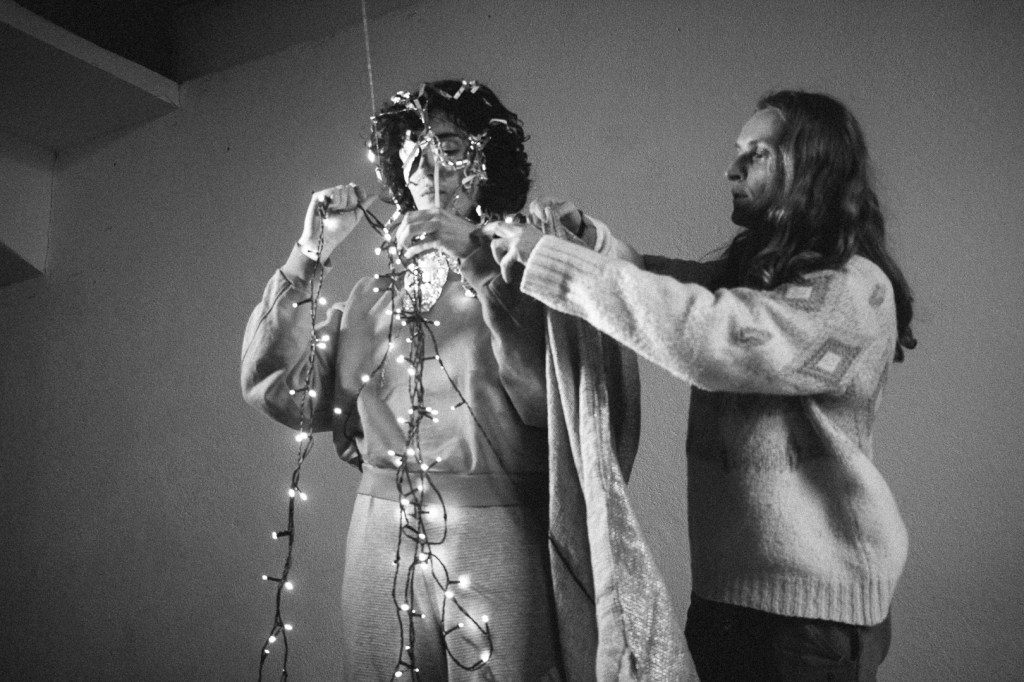
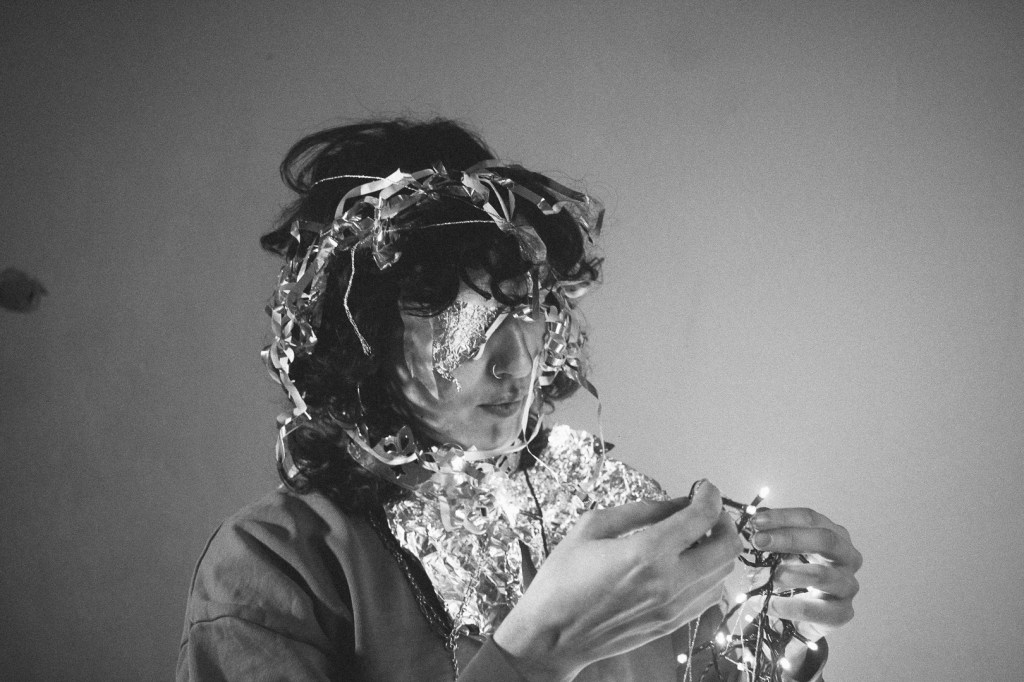
credits : Marion Arnaboldi, Chloé Saffores
 chloé saffores